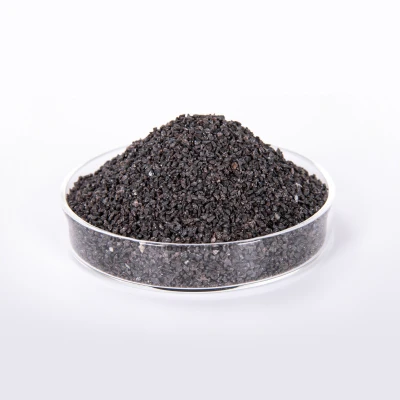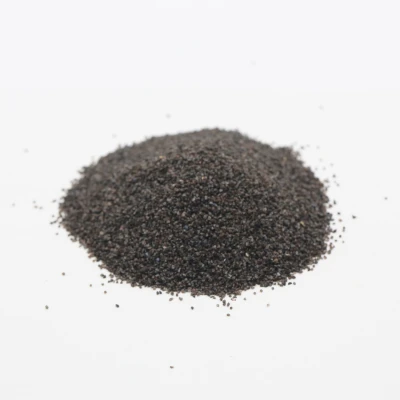
मुलाइट का संश्लेषण
मुलाइट की संश्लेषण विधि को सिंटरिंग विधि और विद्युत पिघलने की विधि में विभाजित किया जा सकता है। कच्चे माल की तैयारी के तरीके के अनुसार सिंटरिंग विधि को सूखी विधि और गीली विधि में विभाजित किया जा सकता है। सूखी प्रक्रिया में सामग्री को एक साथ पीसना और फिर बॉल या कॉम्पैक्ट को दबाने के बाद रोटरी भट्ठा या सुरंग भट्ठा द्वारा जलाना शामिल है। गीली प्रक्रिया में मिश्रित सामग्री को पानी के साथ घोल में पीसना, फिर मिट्टी के केक में निर्जलीकरण करने के लिए दबाना और फ़िल्टर करना, और वैक्यूम निचोड़कर मिट्टी को मिट्टी के खंड या खाली मिट्टी में डालना और फिर जला देना है।
इलेक्ट्रिक पिघलने की विधि में मिश्रित सामग्री को चाप भट्ठी में जोड़ना, चाप द्वारा गठित उच्च तापमान में पिघलाना, ठंडा क्रिस्टलीकरण करना, प्राकृतिक कच्चे माल सामग्री (जैसे बॉक्साइट, आदि) का उपयोग करके सीधे कुचल दिया जा सकता है<1.5mm particles without grinding, and then mixed with other powdered raw materials in the mixer.
सिंटरिंग द्वारा मुलाइट का संश्लेषण आम तौर पर 1650 ~ 1700 डिग्री पर किया जाता है। सिंटरिंग द्वारा मुलाइट के संश्लेषण को प्रभावित करने वाले मुख्य कारक कच्चे माल की शुद्धता, कच्चे माल की सुंदरता और कैल्सीनेशन तापमान हैं। सिंटरिंग विधि द्वारा मुलाइट का संश्लेषण मुख्य रूप से अल पर निर्भर करता है? हे? SiO2 और Sio2 के बीच ठोस चरण प्रतिक्रिया पूरी हो गई है, इसलिए कच्चे माल के फैलाव में सुधार से ठोस चरण प्रतिक्रिया की प्रक्रिया में तेजी आएगी। विशेष रूप से, कण<8μm have a great effect on the formation and sintering of synthetic mullite. It can be seen that the full mixing and fine grinding of raw materials is an important process condition to promote the solid phase of the synthesis of mullite. Mullite generally begins to form at 1200 ° C and ends at 1650 ° C. At this time, it is microcrystalline, and the crystallization develops well when the temperature exceeds 1700℃. It can be seen that the combustion temperature directly affects the formation and crystal development of mullite. Therefore, heating to a certain firing temperature and extending a certain holding time are necessary conditions for the synthesis of mullite. The purity of the raw materials used to synthesize mullite is very strict, and a small amount of impurities will reduce the content of mullite. In industrial production, it is inevitable to bring a variety of impurities, mainly Fe? O? TiO? , CaO, MgO, Na? O·K? O, the most harmful of which is Na? O, K? O, they inhibit the formation of mullite and lead to the production of a large number of silicon-rich glass phases, reducing mullite content. Fe? O? It will slow down the mullite process and increase the amount of glass phase. Be TiO? When a small amount of Ti ions exist, part of Ti ions enter the mullite lattice to form a solid solution, promoting the formation of mullite and crystal development and growth, when the TiO2 content is too high, it still acts as a flux.
इलेक्ट्रोमेल्टिंग मुलाइट को इलेक्ट्रिक आर्क भट्टी में यौगिक को पिघलाकर तैयार किया जाता है, और मुलाइट को पिघल से ठंडा किया जाता है। क्रिस्टलीकरण प्रक्रिया अल के समान है? हे? -SiO? सिस्टम चरण आरेख की क्रिस्टलीकरण प्रक्रिया समान है। अल कब? हे? जब मुलाइट की सैद्धांतिक संरचना 71.8% से अधिक होती है, तो विघटित अतिरिक्त अल बनता है। हे? मुलाइट, बीटा-मुलाइट का ठोस घोल केवल अल है? हे? कोरन्डम चरण केवल 80% पर ही प्रकट होता है। फ़्यूज्ड मुलाइट की खनिज चरण संरचना आम तौर पर मुलाइट क्रिस्टल और ग्लास चरण होती है। चीन का इलेक्ट्रिक मेल्ट मुलाइट उद्योग मानक YB/T104-2004 "इलेक्ट्रिक मेल्ट मुलाइट" अल के अनुसार इलेक्ट्रिक मेल्ट मुलाइट उत्पाद है? हे? सामग्री को डीएम -1 और डीएम -2 ग्रेड में विभाजित किया गया है, और प्रासंगिक तकनीकी स्थितियों को संबंधित राष्ट्रीय मानकों में देखा जा सकता है। सिंटर्ड मुलाइट की तुलना में, फ़्यूज्ड मुलाइट क्रिस्टल बड़े अनाज और कम दोषों के साथ अच्छी तरह से विकसित होते हैं, और क्रिस्टल का आकार सिंटर्ड मुलाइट से सैकड़ों गुना अधिक होता है, इसलिए उच्च तापमान यांत्रिक गुण और क्षरण प्रतिरोध अपेक्षाकृत अच्छे होते हैं।